
Who Are the Fascisterne? Understanding the Historical and Cultural Context

Fascism is one of the most controversial and debated political ideologies of the 20th century, with its rise linked to some of the darkest periods of European history. Among the various expressions of fascism, fascisterne, a term rooted in Denmark’s history, represents a distinct version of this ideology that found its place during the interwar period. In this essay, we will analyze who the fascisterne were, tracing their origins, ideological foundations, impact on Danish politics and their place in the broader European context. We will also explore the cultural implications of their ideology and discuss how their legacy continues to resonate in modern day Denmark and beyond.
- The term “fascisterne” is not only a historical label but also a cautionary symbol of nationalism, authoritarianism and the dangers of extremism.
- Understanding fascisterne within a historical context is crucial to grasp the political dynamics that shaped Denmark in the early 20th century and how those influences can still be seen today.
The Origins of Fascism and the Rise of Fascisterne
Fascism, as a political ideology, emerged in Europe after World War I, a period marked by widespread economic instability, social unrest and the disillusionment that followed the devastation of war. The Treaty of Versailles in 1919, which ended the First World War, imposed harsh penalties on the defeated nations, especially Germany. This created fertile ground for radical political ideologies to take root.
- The Italian Fascist movement, led by Benito Mussolini, was the first successful example of fascism in practice. Mussolini, who founded the Fascist Party in 1919, promoted an authoritarian regime that prioritized nationalism, military power and anti communism.
- Mussolini’s model of fascism would later inspire other European movements, particularly in Germany under Adolf Hitler and the Nazi Party, where fascism took an even more extreme and violent form.
Fascism in Denmark
While fascism gained momentum in Italy and Germany, it was not confined to those countries. The interwar period saw the spread of fascist ideologies across Europe, including Denmark. As a small Scandinavian country, Denmark had a relatively stable political system, but the rise of extremist movements in neighboring countries like Germany and Italy had a significant impact.
- In Denmark, fascisterne represented a faction of the far right that sought to replicate fascist models. In the early 1930s, the country saw the formation of several far right groups, some of which openly embraced fascist ideologies.
- These groups shared common beliefs in the supremacy of the nation state, the rejection of socialism, and the desire for strong authoritarian leadership. The Danish fascist movement, although never as powerful as those in Italy or Germany, was a part of the larger European wave of fascist thought.
Ideological Foundations of Fascism and Fascisterne
Fascism, in its essence, is an ideology centered around a powerful, centralized state under the control of a dictatorial leader. It is opposed to liberal democracy and supports the supremacy of the state over individual freedoms. Fascists reject pluralism and the idea that multiple political parties can co exist in a democratic system. They often advocate for the use of violence, militarism and a single party state as means to achieve national unity and strength.
- Authoritarian Leadership: Fascists believe in the necessity of a single, powerful leader who embodies the will of the nation and has the authority to direct the country’s affairs without interference from democratic institutions.
- Nationalism: Fascism is intrinsically tied to the concept of national pride and unity, often emphasizing ethnic or racial purity and the superiority of the nation state over all else.
- Anti Communism and Anti Democracy: Fascists oppose socialism, communism and liberal democratic values, which they view as weak and divisive.
- Militarism: Fascist ideologies often glorify war and military power as essential to the health of the nation.
How Fascisterne’s Ideology Aligned with European Fascism
The fascisterne of Denmark were heavily influenced by the fascist movements in Italy and Germany. They shared similar goals: the creation of a strong, centralized state, the glorification of the nation, and the rejection of left wing ideologies. However, Danish fascisterne also adapted their ideology to fit the unique political and cultural landscape of Denmark.
- Much like the Italian Fascists, the Danish fascisterne rejected parliamentary democracy, arguing that it was ineffective and weak. Instead, they called for the establishment of an authoritarian government that could unite the people under one vision.
- Nationalism was a cornerstone of their beliefs and they strongly emphasized the importance of preserving Danish identity and culture, often at the expense of minorities and immigrants.
The Impact of Fascisterne on Danish Politics and Society
In the early 20th century, Denmark was a constitutional monarchy with a parliamentary democracy. The Danish political system, although stable, was not immune to the political turmoil that affected other European countries. Economic hardship, social inequality, and the fear of communism led some segments of the population to seek alternatives to the democratic order.
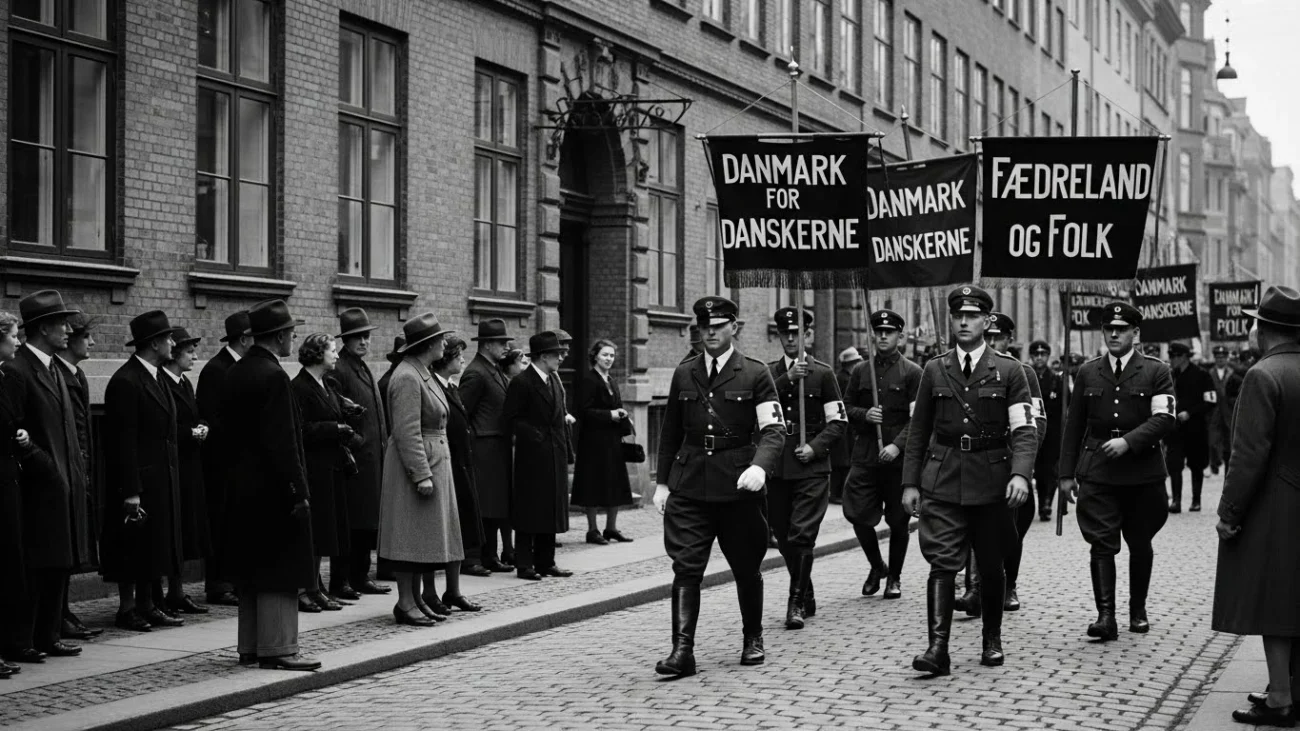
- The rise of fascist and far right groups in Denmark, including fascisterne, coincided with the broader European trend toward authoritarianism.
- These groups attempted to rally support by capitalizing on anti communist sentiment and the desire for national strength. fascisterne never gained significant political power in Denmark.
Fascisterne’s Role in the Pre War Years
During the 1930s, as fascist movements gained strength across Europe, fascisterne in Denmark engaged in various activities to promote their ideology. They organized rallies, disseminated fascist literature, and attempted to create a political platform that could challenge Denmark’s democratic institutions. despite these efforts, the fascist movement remained a fringe element in Danish politics.
The Danish fascists also made overtures to the Nazi regime in Germany, hoping to establish a closer relationship with Hitler’s government. Denmark’s political landscape was much different from Germany’s and the fascist movement never achieved the level of influence seen in countries like Italy and Germany.
The Decline of Fascisterne and Their Legacy
The outbreak of World War II in 1939 had a profound effect on Europe’s political landscape. Nazi Germany invaded Denmark in 1940 and the country became a part of the German occupation. This occupation led to a reevaluation of the political landscape in Denmark, and the support for fascist ideologies rapidly declined. Many Danes turned against the fascist groups that had once advocated for collaboration with the Nazis.
By the end of the war, fascisterne had been discredited, and the movement’s influence in Denmark had all but disappeared. The horrors of the war, particularly the atrocities committed by the Nazis, led to a widespread rejection of fascist ideologies in Denmark and throughout Europe.
The Legacy of Fascisterne in Post War Denmark
After World War II, Denmark, like many other European countries, focused on rebuilding its democracy and distancing itself from the extremist ideologies that had led to the war. The fascisterne movement was largely relegated to the margins of Danish political life, and their influence waned.
Fascisterne in the Context of Contemporary Far Right Movements
In recent years, far right movements have gained traction in Denmark, as they have in many other European countries. These movements often draw on the same rhetoric of nationalism and anti immigration sentiment that characterized fascisterne. While modern far right groups may not explicitly identify with fascism, their ideologies are deeply influenced by the ideas promoted by fascisterne in the past.
These contemporary far right movements, much like fascisterne, seek to create a unified national identity that excludes those they perceive as outsiders. Their rhetoric often revolves around fears of cultural dilution, economic instability, and the erosion of national values. The resurgence of such movements serves as a reminder of the dangers posed by extremist ideologies and the importance of remaining vigilant in the defense of democracy.
Fascisterne and the Global Far Right
The ideas promoted by fascisterne were not confined to Denmark. Far right movements around the world, particularly in Europe, have drawn inspiration from fascism. The legacy of fascisterne is part of a broader global conversation about the rise of nationalism and authoritarianism in the 21st century. Understanding the historical roots of fascism and its evolution into contemporary far right movements is crucial for recognizing the challenges posed by extremism today.
Conclusion
Fascisterne was a significant part of Denmark’s political landscape during the interwar period, representing a localized version of fascism influenced by broader European trends. While their impact was limited, the ideas and ideologies they espoused have left a lasting legacy. Understanding the rise, decline and legacy of fascisterne is essential for recognizing the dangers of political extremism and safeguarding the values of democracy and pluralism.