Tinyzone and the Risks of Unofficial Streaming Sites

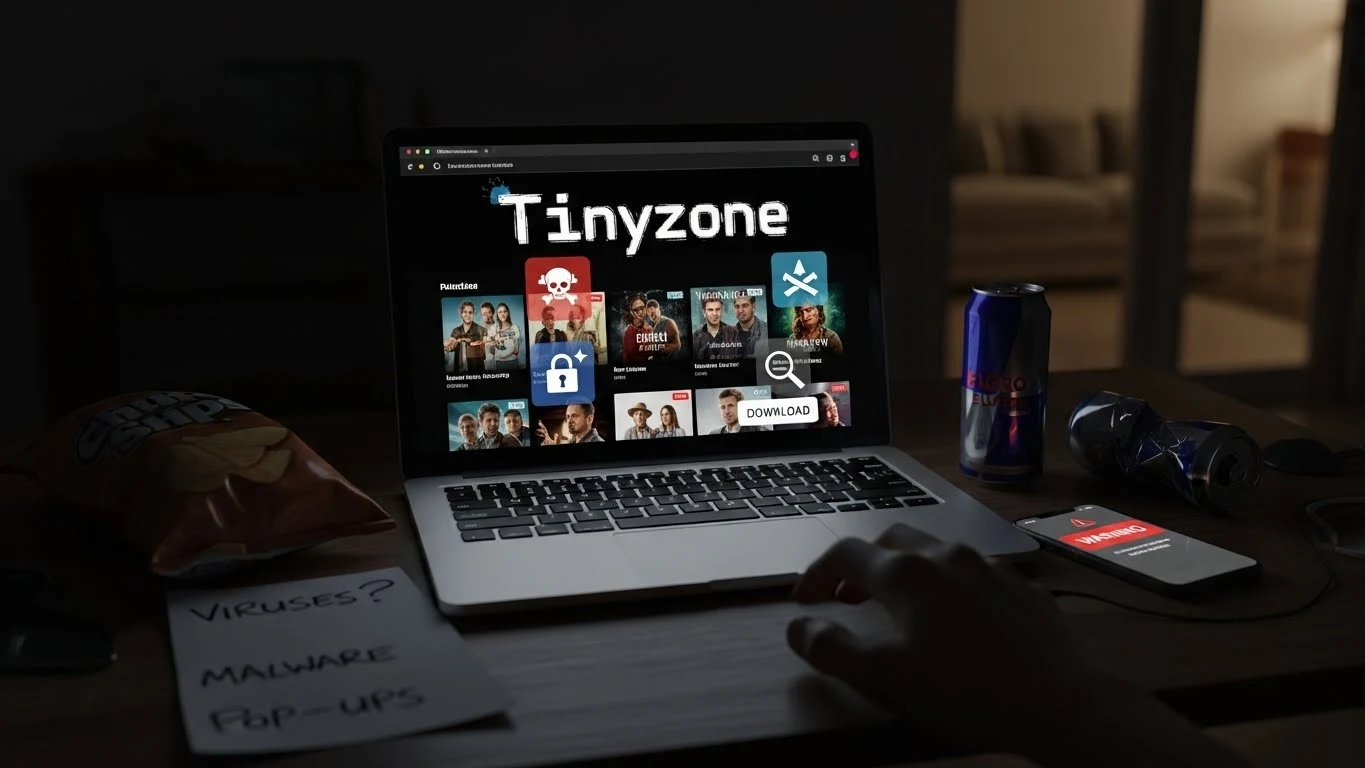
When we look at tinyzone from the outside it seems like a simple streaming website. But behind the interface exists a complex and largely invisible digital economy. Tinyzone does not host most content directly. Instead, it often relies on external servers, mirror links and third party hosting services that operate across multiple jurisdictions.
This structure is intentional. It makes enforcement difficult and allows tinyzone to disappear and reappear under new domain names. From my analysis, this constant shifting is not innovation it is survival through evasion. We, as users, rarely think about this, but every click we make supports an ecosystem built on legal ambiguity.
Understanding Tinyzone
What Is Tinyzone?
Tinyzone is an unofficial online streaming platform that offers movies and TV shows without requiring users to pay subscription fees. Unlike licensed platforms such as Netflix or Amazon Prime Video, tinyzone does not hold legal distribution rights for most of its content. Instead, it aggregates or embeds media from third party sources.
- The appeal of tinyzone lies in its simplicity. Users can visit the site, search for content and start watching almost instantly. No sign ups, no payment gateways and no longterm commitments.
- For many people, especially students or users in regions with limited access to paid services, tinyzone feels like a practical solution.
Why Tinyzone Became So Popular
Tinyzone’s popularity did not happen by accident. Several factors contributed to its rapid growth:
- Rising subscription costs across official streaming platforms
- Content fragmentation, where shows are spread across multiple services
- Global demand for instant entertainment
- Lack of strong digital copyright enforcement in some regions
Digital Literacy Gaps That Fuel Tinyzone Usage
One of the reasons tinyzone continues to attract millions of visitors is a lack of digital literacy. Many users, especially younger audiences, do not fully understand how unofficial streaming sites operate.
- I have noticed that people often confuse “free” with “safe.” They assume that if tinyzone appears functional and familiar, it must be legitimate enough. This assumption is dangerous.
- Digital literacy is not just about knowing how to use the internet it is about understanding how the internet uses you.
The Role of Social Media and Word of Mouth
Tinyzone spreads largely through informal recommendations. Friends tell friends. Posts circulate on forums and social platforms. Rarely does anyone mention the risks in these conversations.
This word of mouth promotion gives tinyzone an illusion of trust. But popularity does not equal safety. We must challenge the idea that widespread use makes something acceptable or harmless.
Tinyzone and the Normalization of Digital Piracy
Repeated exposure to platforms like tinyzone slowly normalizes piracy. What once felt questionable begins to feel routine. Over time, users stop questioning the ethics or legality of their actions.
This normalization is subtle but powerful. I believe this is one of tinyzone’s most damaging effects not malware, not ads, but the erosion of ethical boundaries in digital spaces.
Long Term Cultural Impact
When piracy becomes normalized, it reshapes cultural attitudes toward creative labor. People begin to expect content without compensation. This mindset harms writers, filmmakers, musicians, and everyone involved in production.
Educational Institutions and Workplace Risks Linked to Tinyzone
Academic Networks and Streaming Risks
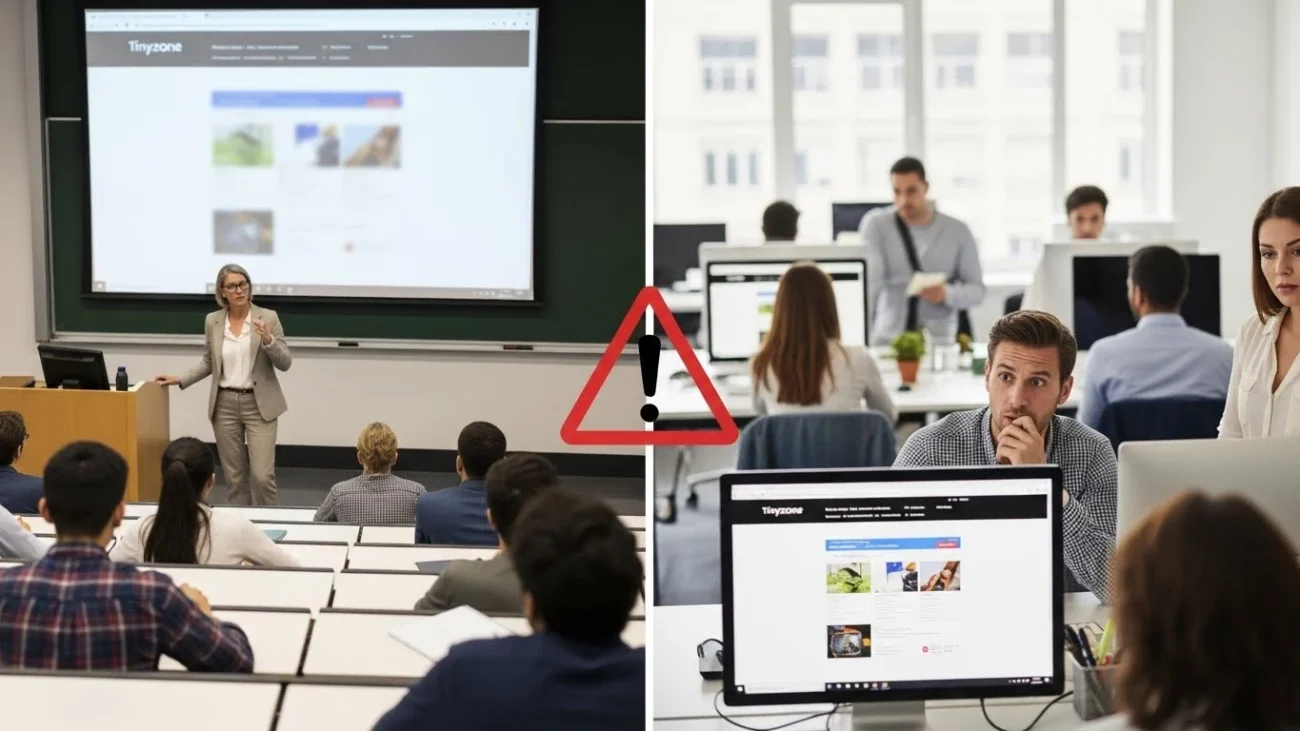
Many students access tinyzone using school or university networks. This creates serious institutional risks. Educational networks are shared environments, meaning one compromised device can affect many users.
I have seen IT departments issue warnings about accessing unofficial streaming sites because of the risk tinyzone poses to internal systems. Yet students often ignore these warnings, underestimating the consequences.
Workplace Consequences You Might Not Expect
Accessing tinyzone on a work device or network can violate company policies. In some cases, this can lead to disciplinary action or termination.
Your employer trusts you to use digital resources responsibly. Visiting tinyzone on corporate infrastructure can damage that trust, even if your intention was harmless entertainment.
Psychological Effects of Relying on Tinyzone
Tinyzone feeds into a culture of instant gratification. Want a movie Click and play. No waiting, no cost, no commitment. Over time, this reduces patience and appreciation for content. Users become less willing to wait for releases or support creators through legal means.
Anxiety and Distrust in Digital Spaces
Ironically, using tinyzone often creates anxiety. Users worry about pop ups, viruses or sudden site shutdowns. Instead of relaxing, they stay alert and defensive. Entertainment should reduce stress, not increase it. Tinyzone fails at this basic promise.
The Environmental Cost of Unofficial Streaming
Energy Consumption and Inefficiency
Few people consider the environmental impact of sites like tinyzone. Unofficial streaming relies on inefficient server networks, redundant hosting and poorly optimized delivery systems.
- This results in higher energy consumption per stream compared to licensed platforms that invest in optimized infrastructure.
- Our org believes sustainability matters, even in digital spaces. Tinyzone contributes to digital waste in ways most users never see.
Why Blocking Tinyzone Alone Is Not the Solution
Technical Blocks vs. Behavioral Change
Governments and ISPs often attempt to block tinyzone domains. While this may reduce access temporarily, it does not address the underlying demand.
- Tinyzone reappears because users keep searching for it. Blocking without education simply pushes users to the next unofficial site.
The Need for Awareness Driven Solutions
We need better digital education, fairer streaming models, and global accessibility. Only then will platforms like tinyzone lose relevance. Punishment without understanding rarely creates lasting change.
How You Can Protect Yourself If You have Used Tinyzone
Immediate Steps to Reduce Risk
- Run a full malware scan
- Clear browser cache and cookies
- Change passwords used during access
- Avoid re visiting unofficial streaming sites
Building Safer Digital Habits
Choose platforms that respect your privacy. Read reviews. Question “free” services that offer too much with no explanation. Your time, data and security have value.
Reframing Entertainment Choices in a Post Tinyzone Mindset

When we choose how to consume content, we influence the entire ecosystem. Tinyzone thrives on disconnection users disconnected from creators, consequences and accountability. Reframing entertainment means reconnecting those dots.
Supporting Ethical Innovation
There is nothing wrong with wanting affordable, accessible content. The solution is not tinyzone it is innovation that respects both users and creators. We should demand better options, not settle for risky shortcuts.
Tinyzone and the Risks of Unofficial Streaming Sites Table
| Topic | Tinyzone – Quick Insight |
|---|---|
| Platform Type | Tinyzone is an unofficial streaming site offering free movies and shows. |
| Main Attraction | Users choose tinyzone for instant access without payment or sign-up. |
| Legal Risk | Tinyzone streams copyrighted content without authorization. |
| Security Concern | Tinyzone may expose devices to ads, malware, and tracking. |
| Impact on Industry | Tinyzone reduces earnings for creators and studios. |
| Overall Reality | Tinyzone trades convenience for safety, legality, and ethics. |
Final Reflection
Tinyzone is not just a website. It is a lesson about how convenience, technology and human behavior intersect. It shows us what happens when access outpaces responsibility. I do not believe most tinyzone users intend harm. But intention does not erase impact. As we move forward in an increasingly digital world, we must ask harder questions about where we click, what we support and how our choices affect others. Our org stands for informed decision making, ethical digital behavior and user safety. Tinyzone challenges us to live up to those values not by fear, but by awareness.